Dispatch Map Redesign
The map that routes every technician — rebuilt from two disconnected legacy providers into one custom visual system serving three very different users at once.
The map customers inherited was stitched together from two different, dated mapping providers — one of the most common gaps cited by the new enterprise customers evaluating the platform.
I audited the existing implementation, then interviewed the customers pushing hardest for a fix, legacy users, and internal stakeholders to define what the map actually needed to do — not for one user, but three: dispatchers making in-the-moment scheduling calls, service managers watching resource coverage and emergency response across a region, and account teams routing sales and maintenance visits geospatially.
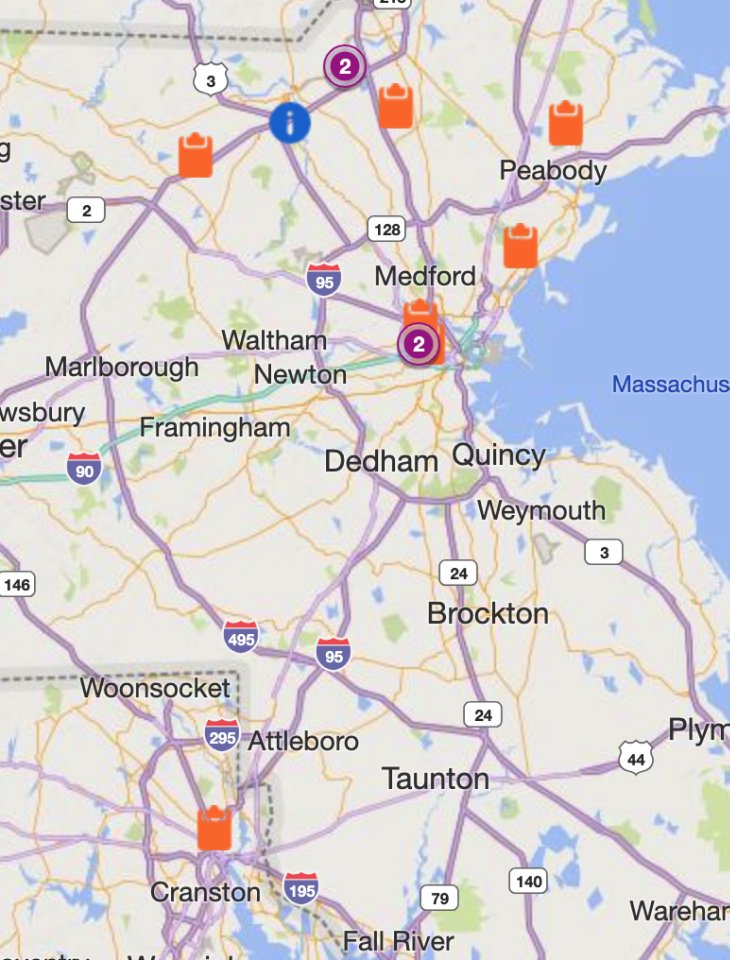
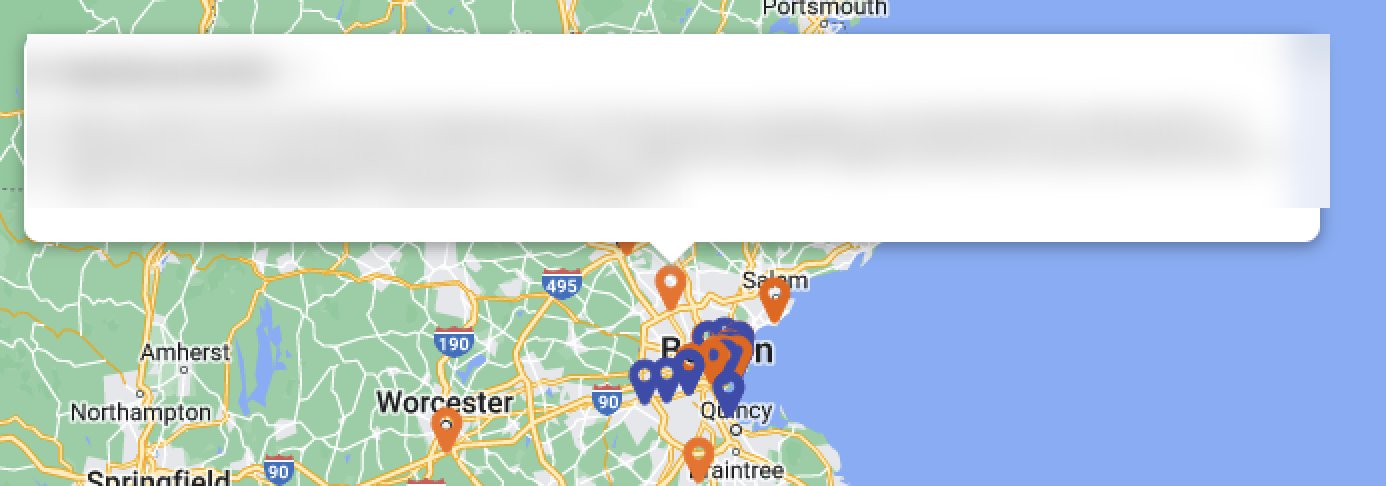
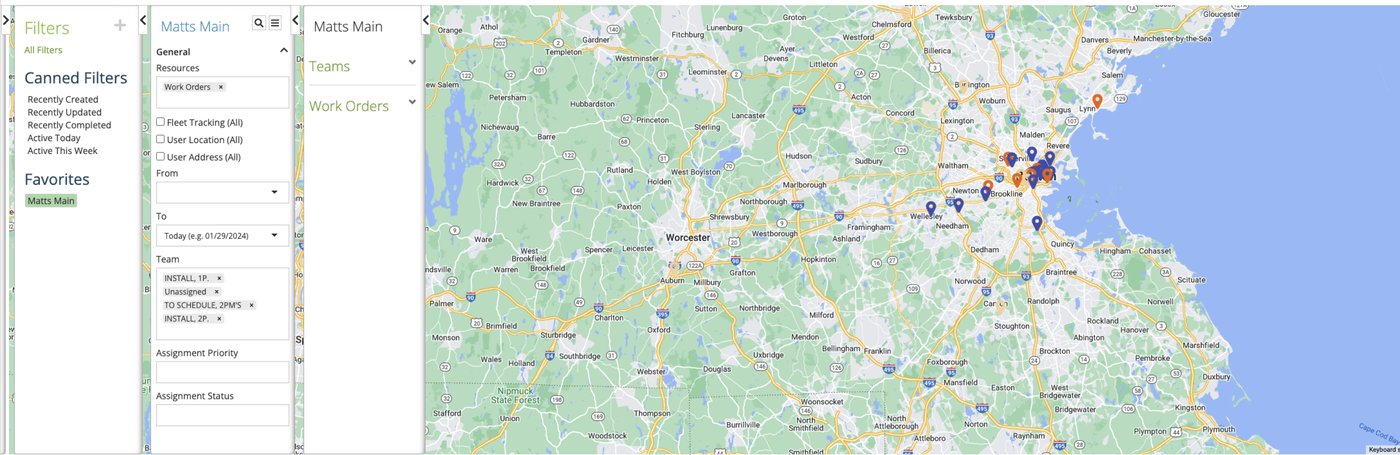
Before: two disconnected maps
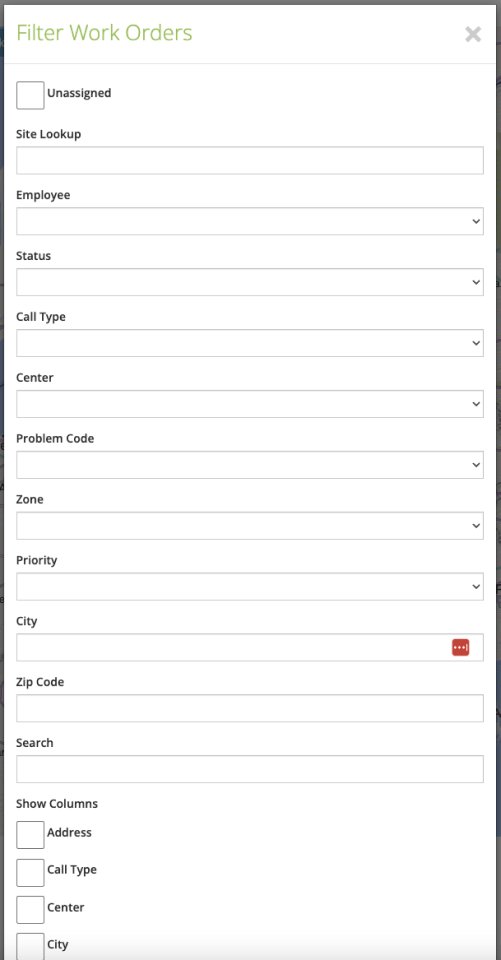
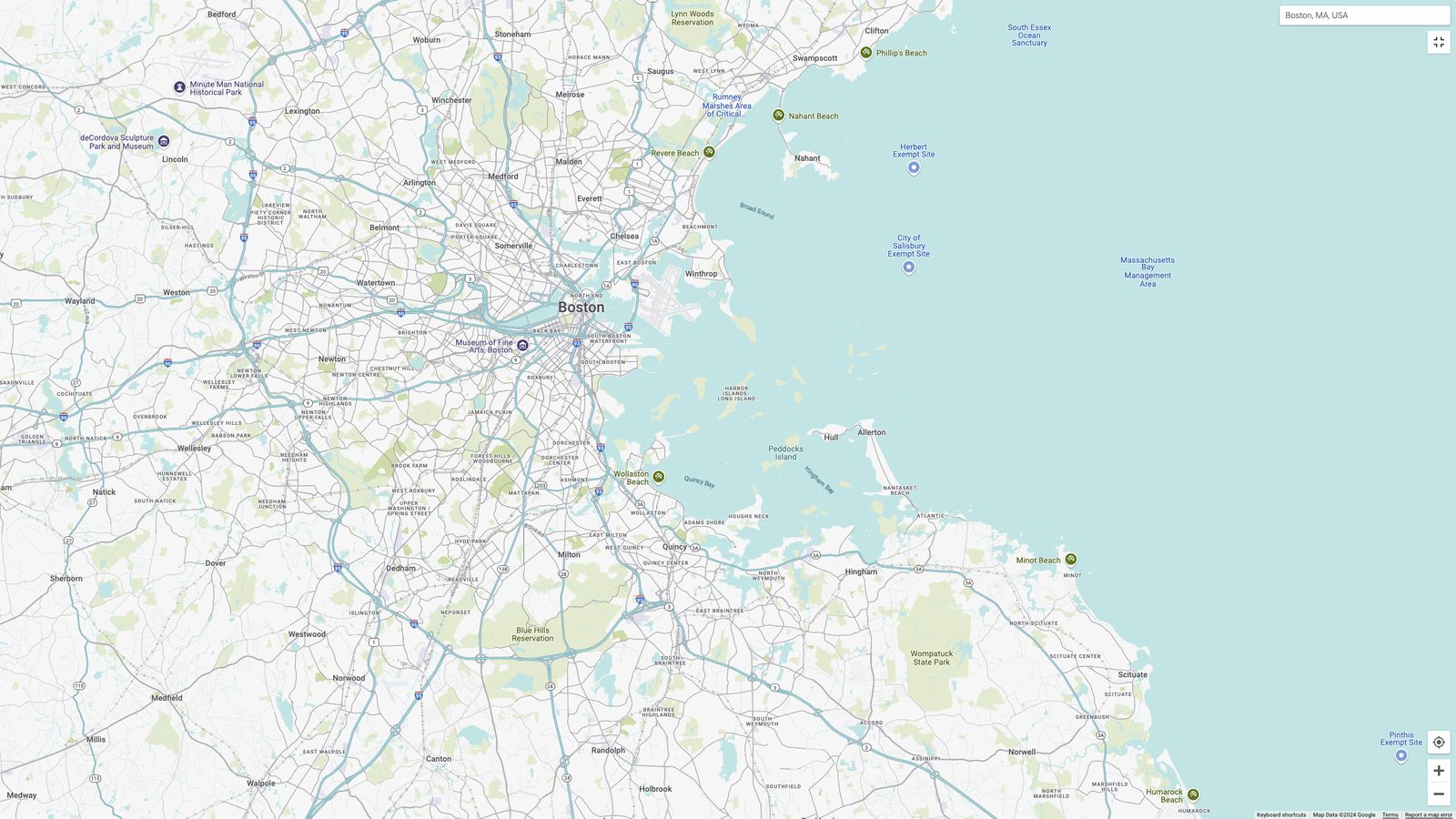
The two legacy implementations — one on Google Maps, one on Bing Maps — had drifted inconsistent with each other and confusing on their own terms: icon sets that didn't clarify what you were looking at, filter panels buried in complexity, and list and card views that felt disconnected from the map itself.
A visual system, not a skin
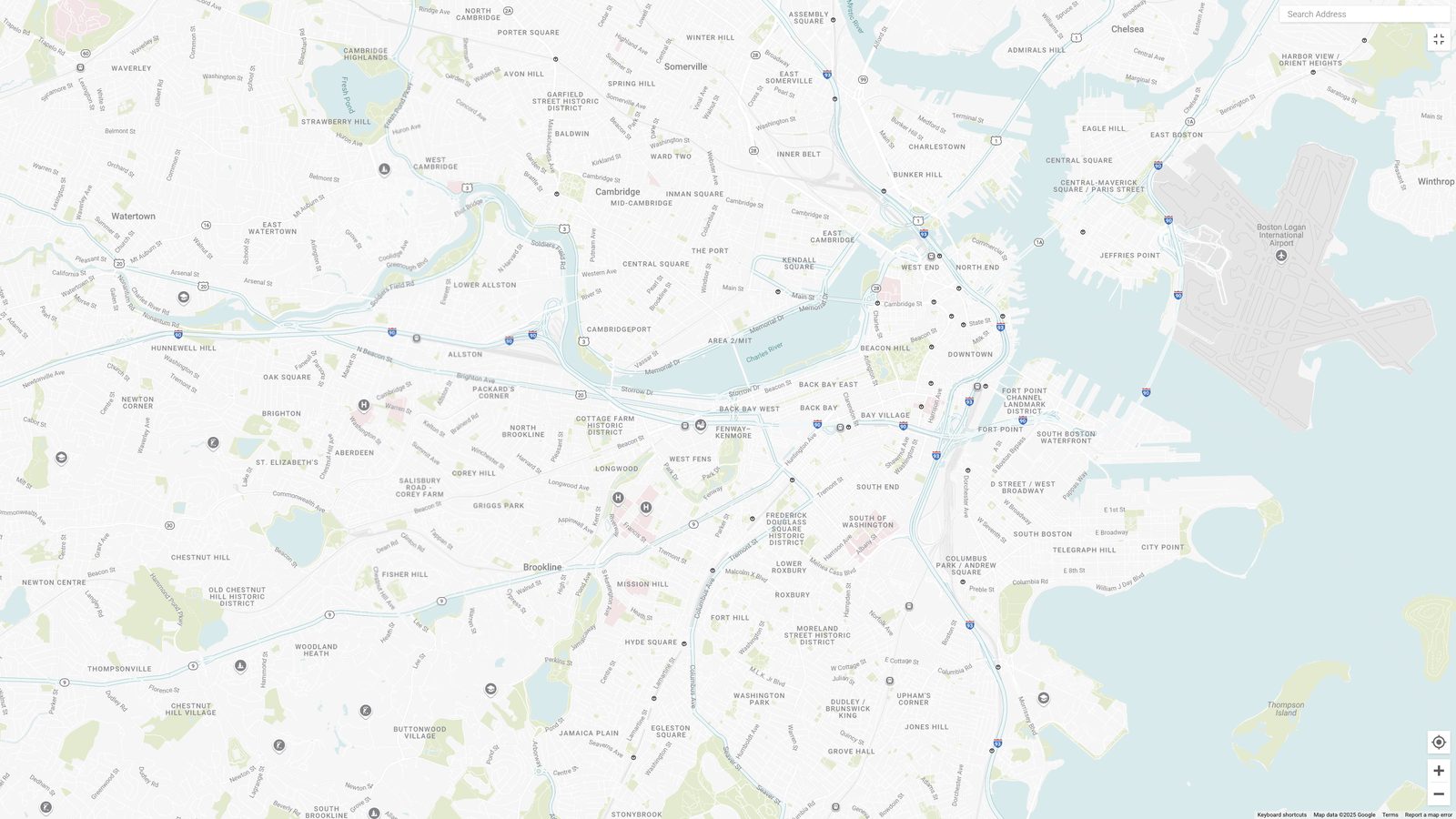
From there I designed the map's full visual system from scratch — custom markers, color coding, and information density tuned for at-a-glance reading — so it read as part of Operix rather than an embedded Google Maps widget. Getting there meant a steep, self-taught climb up the Google Maps API, in close partnership with front-end engineering; several proposed workflows had to be reworked mid-build once real API constraints surfaced.


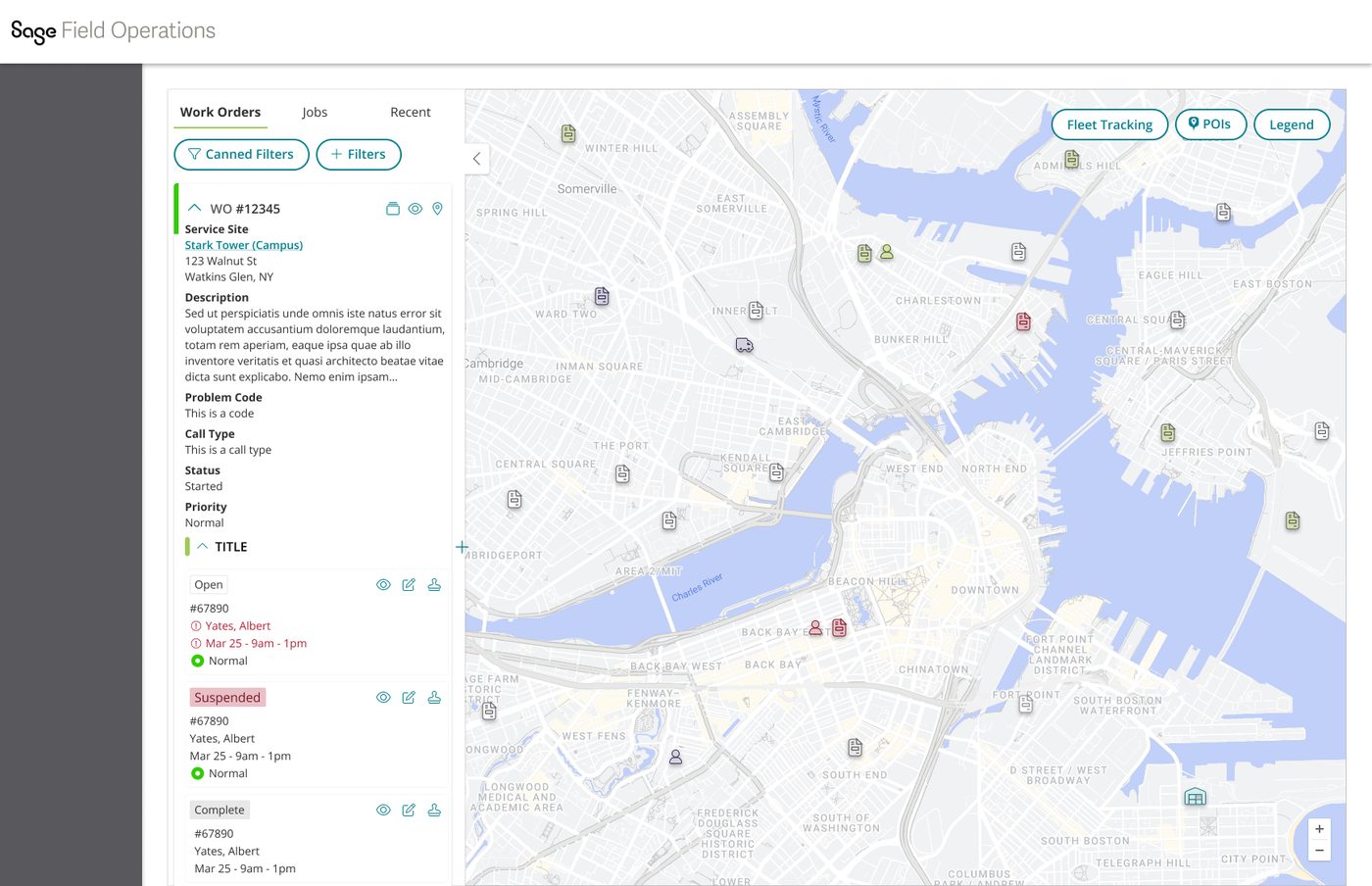
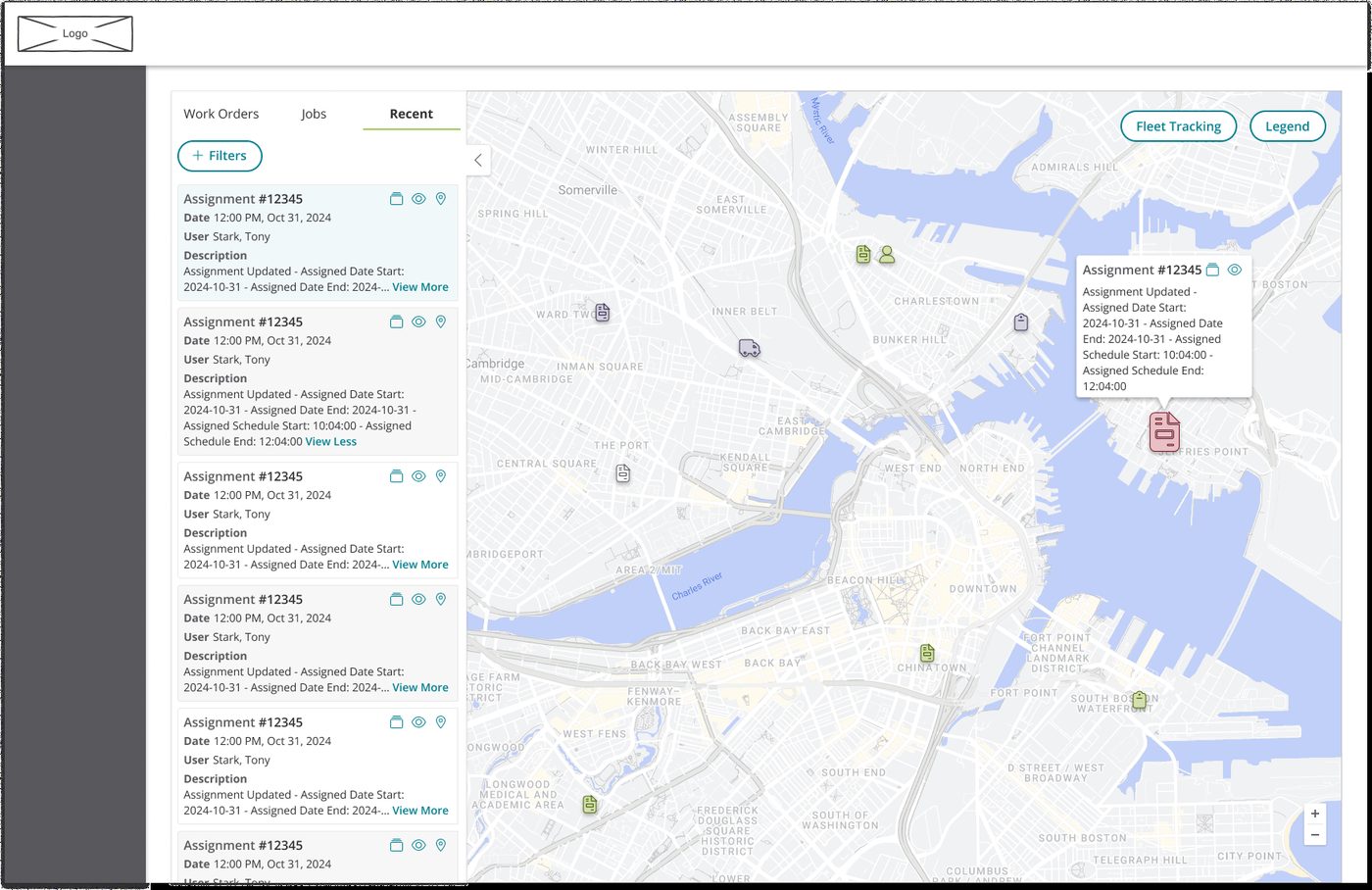
GPS tracking shipped as part of the redesign; AI-driven smart routing was scoped and roadmapped for a future release. The redesign shipped in early 2026 to strong reception from the customers who'd pushed for it, and a measurable lift in map usage across the product.
From concept to production
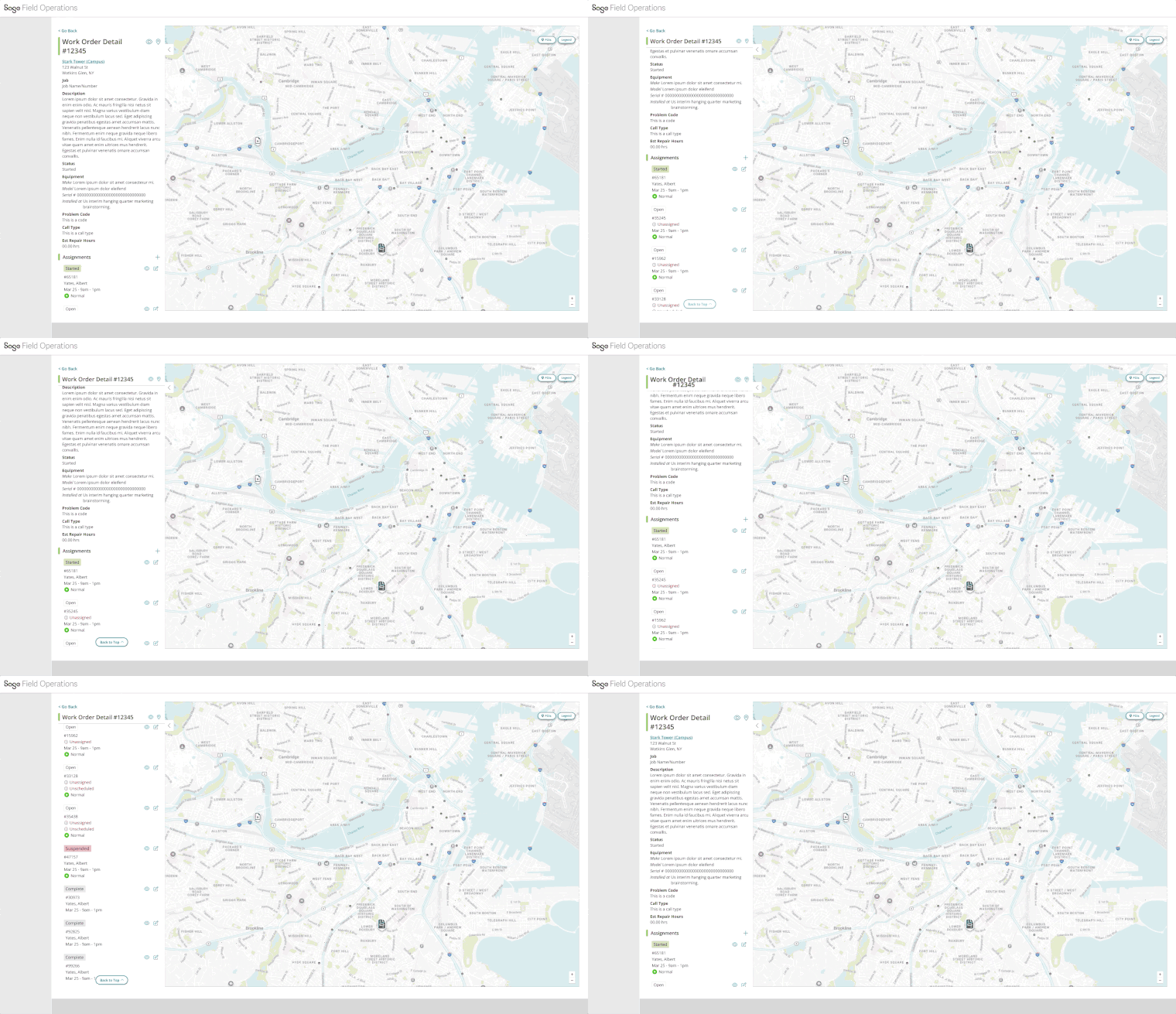
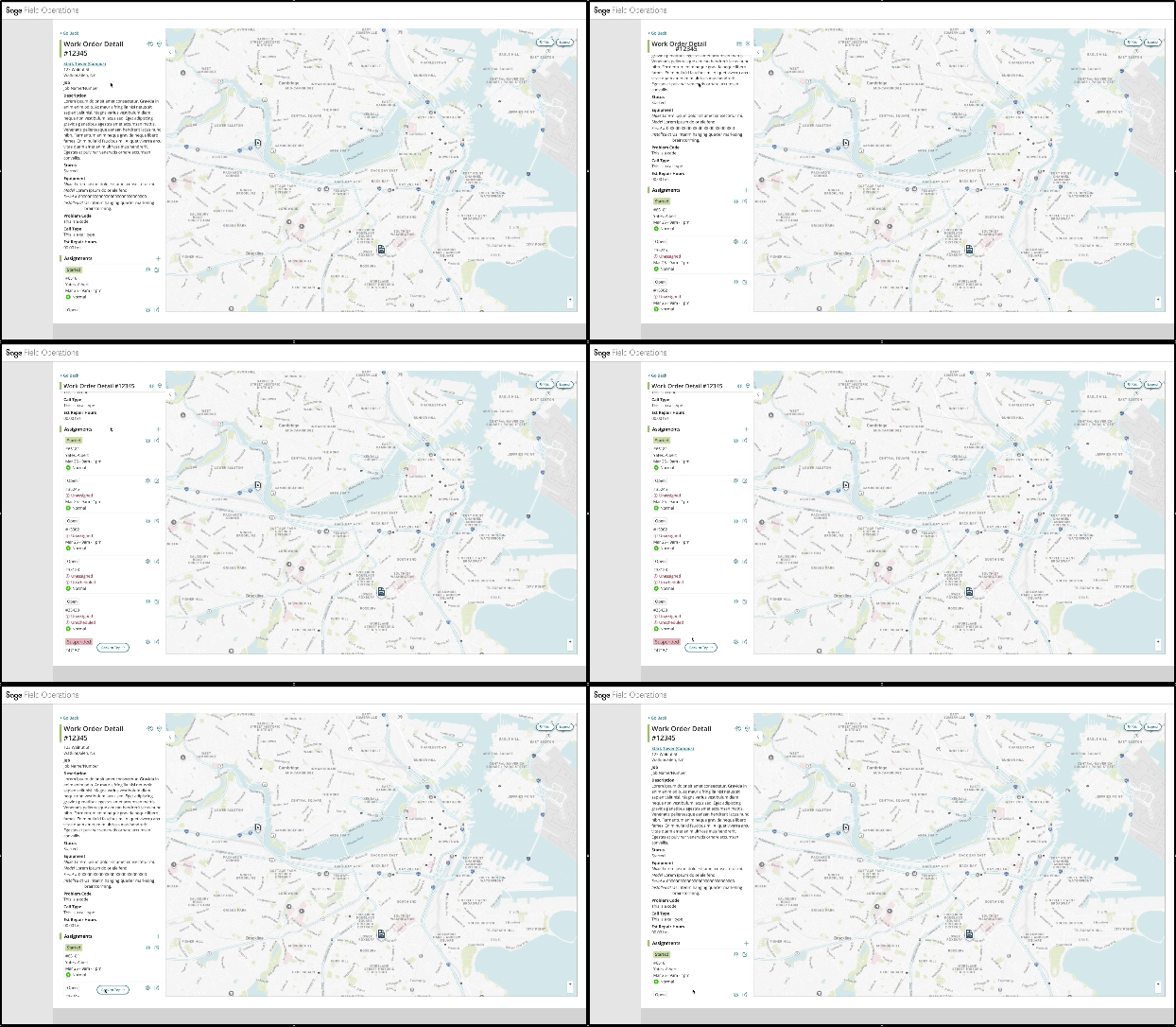
Explored, not shipped: a scheduler panel
Alongside the map and work panel, I prototyped a bottom-docked scheduler panel for drag-and-drop assignment scheduling directly from the map view. It tested well conceptually, but was ultimately shelved in favor of shipping the core map redesign on schedule — a candidate for a future release rather than part of this one.
Roadmapped, not shippedWhat shipped, and what it changed
- Dispatch map rebuilt from scratch as a single system serving dispatchers, service managers, and account teams
- Shipped in early 2026 with GPS tracking, strong customer reception, and increased map usage across the product